Foster Care Institute Dr. John DeGarmo
  • Home
  • About
    • Motivational Keynote Speaker Topics >
      • Motivational Speaker
      • Inspirational Speaker
      • Foster Care Speaker
      • Fundraising Keynote
    • In The Media
    • Articles
    • Blog
    • At Home Virtual Foster Parent Intake and Orientation >
      • Intake and Orientation Book
      • Session 1: What is Foster Care?
      • Session 1: Birth Children and Foster Children
      • Birth Parents and You Quiz
      • Session 1: Anger Management
      • Session 2: Anxiety and Disorders
      • Quiz: Anxieties and Disorders
      • Session 2: Birth Parents and You
      • Quiz: Child Development
      • Session 2: Child Development Part I
      • Session 3: Child Development Part II
      • Session 3: Trauma Informed Parenting
      • Trauma Informed Quiz
      • Session 3: Caseworkers and Foster Parents
      • Quiz: Caseworker
      • Session 4: Burnout and Stress
      • Burnout and Stress Quiz
      • Session 4: Documentation
      • Quiz: Documentation
      • Session 4: Loss and Grief
      • Quiz: Loss and Grief
      • Session 5: Placement
      • Quiz: Placement
      • Session 5: Protecting Yourself as a Foster Parent
      • Session 5: Visitations
      • Visitations Quiz
    • Foster Parent Recruitment >
      • Foster Parent Recruitment Book
      • Recruitment Webinar: Intro
      • Recruitment Webinar I
      • Recruitment Webinar II
      • Recruitment Webinar III
      • Recruitment Webinar IV
      • Recruitment Webinar V
      • Recruitment Webinar VI
      • Recruitment Webinar VII
      • Recruitment Webinar VIII
    • Consultant
    • Foster Care 101 Videos/Radio
    • Foster Care Success Coaching
    • Foster Parent Coach
    • Author Success Coach
    • How To Be A Paid Speaker
    • Testimonials
  • Contact
  • Foster Care Training
  • Store
    • The Foster Care Institute Library of Online Training Webinars
  • Training Webinars
    • Webinar: Accountability vs. Accusations
    • Webinar: ADHD Part I
    • Webinar: ADHD Part II
    • Webinar Aging Out Part I
    • Webinar Aging Out Part II
    • Webinar: Anger Management
    • Webinar Anxieties and Disorders
    • Webinar: Attachment
    • Webinar: Autism
    • Webinar: Bedwetting
    • Webinar Birth Children and Adoptive Foster Children
    • Webinar Birth Parents and You
    • Webinar: Building Self Confidence
    • Webinar: Bullying Part I
    • Webinar: Bullying Part II
    • Webinar Burnout and Stress
    • Webinar: Case Workers and Foster Parents CW Version
    • Webinar: Case Workers Foster Parents Foster Parent Version
    • Webinar Child Development I
    • Child Development II Quiz
    • Webinar Child Development II
    • Webinar Child Sex Trafficking
    • Webinar Compassion Fatigue
    • Webinar Discipline and Children in Foster Care
    • Webinar Documentation
    • Webinar Eating Disorders
    • Webinar: Emphatic Listening
    • Webinar: Establishing Trust
    • Webinar: FASD Part I
    • Webinar: FASD Part II
    • Webinar: Fire Starting
    • Webinar: Grief/Loss for Children
    • Webinar Grief and Loss
    • Webinar: Helping Foster Children in School
    • Webinar: Home Safety
    • Webinar How to Prepare for Foster Child
    • Webinar: Illness Anxiety
    • Webinar Just For Dads
    • Webinar: Kinship Care
    • Webinar Knowing the Terms
    • Webinar: Lice! Prevention and Treatment
    • Webinar Life Books
    • Webinar: Managing Stress
    • Webinar: Mandated Reporting
    • Webinar Marriage/Foster Care Part I
    • Webinar Marriage Foster Care Part II
    • Webinar: Mental Health Issues
    • Webinar: Neglect
    • Webinar: Non Compliance
    • Webinar: Normalcy
    • Webinar: Oppositional Defiant Disorder
    • Webinar: Parenting Troubled Teens
    • Webinar: Positive Parenting
    • Webinar Post Adoption Depression
    • Webinar Power of Prayer
    • Webinar Protecting Yourself as a Foster Parent
    • Webinar: Reactive Attachment Disorder
    • Webinar: Respite Care
    • Webinar: Rights of Children in Foster Care
    • Webinar: Rights and Responsibilities
    • Webinar: Running Away
    • Webinar: Saying Goodbye to Children in Foster Care
    • Webinar Schools Part 1
    • Webinar Schools Part II
    • Webinar: Self Harm
    • Webinar Sexual Predators/Sexting
    • Webinar Sleep Anxieties
    • Webinar Social Media Safety
    • Webinar: Stealing
    • Webinar The Holidays
    • Webinar: Transracial Parenting Part I
    • Webinar: Transracial Parenting Part II
    • Webinar Trauma and Stress
    • Webinar: Trauma Informed Parenting I
    • Webinar: Trauma Informed Parenting II
    • Webinar Visitations
    • Webinar: Why Children Bite
    • Webinar Why Children Lie
    • Webinar What if he is Not Adopted
    • Webinar: What is Foster Care
  • CCYA RBWO Training
    • ADHD Part I RBW
    • ADHD Part II RBW
    • Aging Out RBWO Training
    • Anger Management RBWO
    • Bullying RBWO
    • Caseworkers and Staff RBWO
    • Challenges of School RBWO Training
    • Compassion Fatigue RBW
    • Eating Disorders-RBW
    • Emphatic Listening RBWO Training
    • Grief and Loss RBWO
    • Illness Anxiety RBWO
    • Managing Stress
    • Mandated Reporting RBWO Training
    • Normalcy RBWO
    • R.A.D. RBWO Training
    • Running Away RBW
    • Self Harm RBWO
    • Sleep Anxieties RBWO Training
    • Social Media Safety RBWO Training
    • The Holidays-RBW
    • Trauma Part I RBW
    • Trauma Part II RBW
    • Visitations RBWO
  • Paid Member Benefits Page
    • Certificate: Accountability
    • Certificate: ADHD Part I
    • Certificate ADHD Part II
    • Certificate Aging Out I
    • Certificate Aging Out II
    • Certificate Anger Management
    • Certificate Anxieties Disorders
    • Certificate: Attachment
    • Certificate: Autism
    • Certificate: Bedwetting
    • Certificate Birth Children
    • Certificate Birth Family
    • Certificate Biting
    • Certificate-Building Self Esteem
    • Certificate Bullying Part I
    • Certificate Bullying Part II
    • Certificate Burn Out/Stress
    • Certificate Caseworker/Foster Parents CW Version
    • Certificate Case Workers Foster Parents FP Verssion
    • Certificate Child Development I
    • Certificate Child Development II
    • Certificate Child Sex Trafficking
    • Certificate Compassion Fatigue
    • Certificate Discipline and Foster Care
    • Certificate Documentation
    • Certificate Eating Disorders
    • Certificate: Emphatic Listening
    • Certificate: FASD Part I
    • Certificate: FASD Part II
    • Certificate Fire Starting
    • Certificate Helping Foster Children in School
    • Certificate Home Safety
    • Certificate: Illness Anxiety
    • Certificate Just For Dads
    • Certificate: Kinship Care
    • Certificate Knowing the Terms
    • Certificate: Lice! Prevention and Treatment
    • Certificate Life Books
    • Certificate Loss/Grief
    • Certificate: Managing Stress
    • Certificate: Mandated Reporting
    • Certificate Marriage II
    • Certificate Marriage I
    • Certificate: Mental Health Issues
    • Certificate: Neglect
    • Certificate: Non Compliance
    • Certificate: Normalcy
    • Certificate: ODD
    • Certificate Online Dangers
    • Certificate: Parenting Troubled Teens
    • Certificate Placement
    • Certificate: Positive Parenting
    • Certificate Post Adoption Depression
    • Certificate Power of Prayer
    • Certificate Protecting Yourself as a Foster Parent
    • Certificate Reactive Attachment Disorder
    • Certificate Respite Care
    • Certificate: Rights for Children
    • Certificate Rights and Responsibilities
    • Certificate Running Away
    • Certificate: Saying Goodbye
    • Certificate Schools I
    • Certificate Schools II
    • Certificate: Self Harm
    • Certificate Sexting
    • Certificate Sleep Anxieties
    • Certificate Stealing
    • Certificate The Holidays
    • Certificate: Transracial Parenting Part I
    • Certificate: Transracial Parenting Part II
    • Certificate Trauma
    • Certificate: Trauma Informed Parenting I
    • Certificate : Trauma Informed Parenting II
    • Certificate Visitation
    • Certificate What if Not Adopted
    • Certificate: What is Foster Care
    • Certificate Why Children Lie
  • Documentation Paperwork
    • Documentation Downloadable Paperwork
  • How to be a Foster Parent
  • Cancel Subscription

The Importance of Documentation

11/28/2023

8 Comments

 
Picture
Just as location, location, location are the three most important words for a real estate agent, documentation should ring in the ear of every foster parent. They just might be the three most important words a foster parent needs today. Written documentation can go a long way toward keeping foster parents safe, and even helping protect them from false accusations. 

Now, documentation does not mean that you, as a foster parent, should record and report only those negative experiences while caring for a child in care. Indeed, positive events and occurrences should also be reported and documented. Document when he started eating healthier, behaving more positively, acted kinder. Note when negative behavior began to decrease, and how he attempts to handle difficult situations in a more positive way. Throughout the placement of your child from foster care in your house, it will be necessary for you as a foster parent to keep written records, a journal or some sort of documentation. This written account will help you keep an accurate account of the time your child from foster care lives in your home. ​

Quite likely, your child from child from foster care is going to come to your home behind on medical shots, and perhaps on several medications. In short, he is probably going to have to visit the doctor soon, and perhaps even often. If he becomes sick, include this in your written records: the time he was sick, as well as how it was treated, including doctor visits and any medicine that you gave him.  Note the conversations between him and the doctor, and between you and the doctor. Indeed, try and document the conversations between not only a doctor and a child, but also between the child in your home and his caseworkers, therapists, teachers, birth parents, biological family members, teachers, law enforcement and other people and conversations you feel are important.  If he is the typical child, he will probably fall down at some point while living with you and skin his knee, scrape his chin, have a bruise, or some other type of injury. It is important that you document when it happened, how it occurred, and how and what you did to treat it. 

​
Join the thousands who receive Dr. DeGarmo’s FREE foster                care newsletter. Simply fill out the form below.

You might also be wise to let your caseworker know about such injuries occurring in your home, as well in case a birth parent or family member should notice and ask at the next visitation. Again, no need to worry too much if and when this should happen to the child in your home. Children will play, fall and get scratched and cut. It most likely happened to you as a child, and will happen to the children living in your home. Simply make sure you document such events in full. If he should miss a day of school due to being sick, record this and how you treated it as well. Keep records of any doctor’s notes, too. 

For many children in care, their emotional status and needs are ever changing, and at times, ever demanding. As a foster parent, it is important to document any changes in behavior the child in your home might exhibit, along with when he began behaving in this way, as well as how long the behavior lasted. Detail how you addressed this change in behavior, and how he reacted to any rules and consequences you put into place as a result of misbehavior. If he should lie, steal, argue, yell or throw the so-called temper tantrum, record these incidents and how you responded to them as well. Along with that, record how the child responded to any consequences or disciplinary methods you used. Keep a notebook specifically for his school work, including grades and report cards, any behavioral problems or discipline, and any conversations with teachers, school counselors, administrators and other school employees. 

Visitations are an important factor in both the life of your child in foster care, as well as his biological family members.  For your child, visitations may occur once or several times a week, every other week, once a month, or even more irregularly than that. Whatever schedule of visitation he might have, it is important that you record these important events. Keep an account of every time he has a visitation, including the date, times and locations of each visit. Record who was there to supervise and monitor the visitation. If he has significant emotional or behavioral changes before and/or after these visits, as is often the case and is also quite normal, do your best to describe these in full.

 Any contact you have with the birth parents and biological family members should also be documented. You should also document each conversation you have with his caseworker. If he should display any serious conflicts or unusual behavior toward his biological family or caseworker, or even toward himself, document this in detail, as well as report it to the caseworker immediately. If you suspect any kind of abuse while visiting his family, take before and after pictures of him as another form of evidence. Indeed, if he should ever abuse himself in any way, at any time, and in any fashion, not only must you document this, but you also need to call your child’s caseworker immediately. With proper documentation and records, you will not only better protect yourself as a foster parent, but also the child. Furthermore, documentation helps to provide important information to case workers, courts and all advocates for children in foster care.


For much more, download The Foster Parent Documentation Book. The Foster Parent Documentation book has all documentation information, forms, and much more for your foster parenting needs. This downloadable book includes information that you need.
-What to document
-How to properly document
-How to properly record incidents and accidents
-Printable Contact Sheets
-Printable Medication Logs
-Printable Respite Family Information Sheets
​-Printable Accident Report Logs
​-Printable Doctor/Medical Visit Forms
​-Printable Child Monthly Reports Forms
​-Printable School Information Forms
​-Printable Visitation Report Forms
​-Printable Behavior Incident Report Forms
​-Printable Yearly Training and Licensing Logs
-Full and detailed list of Foster Care acronyms
-Foster Care Contact Information for all state departments for the United States.


​-Dr. John

    Sign up for FREE Foster Care Newsletter.

Submit
8 Comments

The Truth About Post Adoption Depression for Parents

11/6/2023

34 Comments

 
Picture
Adoption.

I have been blessed to adopt three from foster care over the years.

Though many in society may not recognize it, adoption is all around us, and is a normal part of how thousands of families come together. Indeed, six out of every ten Americans are touched by adoption in some fashion. Along with this, roughly 7 million Americans have been adopted. Each year, roughly 135,000 children are adopted in the United States. 


When a child is placed into foster care, the initial goal is to have the child reunified with his birth parents, or a member of his biological family. Certainly, the initial intent of placing a child into care is that the placement be a temporary, with reunification the main objective.

Yet, there are those instances when reunification is not possible, and the child is placed through the court system for adoption. There are several reasons why a foster child might be placed up for adoption. First, the custody rights of the birth parents are voluntarily terminated; secondly, the custody rights of the birth parents are terminated by a court order; and third, the child is up for adoption due to the death of birth parents.  For many foster parents like myself, adoption is the natural next step, as the children placed in our homes become a valued and very much loved member of our family.

While adoption may be a gift and a blessing for so many, it does not automatically lead to a "happy ever ending" for all involved. What many adoptive parents discover after an adoption is Post Adoption Depression. Post Adoption Depression Syndrome, or PADS, is a term that was first in 1995 by June Bond.  Bond noticed how adoptive parents’ affect did not reflect the joy or happiness that she had expected to see as she performed post-placement home visits. Indeed, some studies indicate that up to 65% of adoptive mothers experience PADS at some point. 

Join the thousands who receive Dr. DeGarmo’s FREE foster                care newsletter. Simply fill out the form below.

Feelings of anxiety, depression, and stress may occur with the adoptive parent after the adoption has taken place. There may be several reasons why adoptive parents experience this form of depression following an adoption. For some, PADS may derive from sleep deprivation after the adoption. Some may experience unresolved feelings of grief and loss from past trauma may surface within the parent . For others, it may be unresolved infertility issues that were never addressed. Still, other adoptive parents may struggle with the challenges of attachment or bonding with the child that were more difficult than first expected.

For many, Post Adoption Depression Syndrome may result from a lack of support services for the entire family after the adoption.  While there are foster parent support groups, and they are so very important to be sure, there are few adoptive parent support groups. For those who have adopted, it is important to surround yourself with others who have "walked the walk", so to speak. Instead, many adoptive parents try to "tough it out," if you will, during those difficult and stressful times. Thus, many adoptive parents often feel isolated, due to feeling that no one understands the challenges that adoption can bring. 

To be sure, Self Care is critical for not only foster parents, but also adoptive parents. As I say often when speaking at foster care events, if you do not take time to care for yourself, you will not be able to care for the children who so desperately need you. Another crucial way to help address PADS is the gift of time. Bonding and attachment do not happen overnight. Instead, bonding can be a slow process, therefore allow it to happen naturally, over time, and remain patient.  Remember how the child may feel about adoption. H
e will likely re-experience feelings of loss during the adoption process. Allow him to discuss his feelings of grief and loss with you as you listen attentively to him, validating his feelings and emotions. If he should ask any questions about his biological parents or birth family, it is important that you answer them as honestly as you can. At the same time, help him to transfer attachment from his birth family to yours by ensuring that he is included in all aspects of your family, and when possible, incorporate parts of his previous family’s traditions into your own, as it helps him to feel more comfortable. After all, his birth family gave him his appearance and gender, his intelligence, his temperament, talents, and of course, his life. These, of course, will never change.


Become a Special Member of The Foster Care Institute-Amazing Benefits!

The adoption of three children from foster care has led to so many adventures, challenges, joys, and experiences for my family. Just because we signed some paper work, making the children legally ours, does not mean that the new discoveries and challenges fade away. On the contrary, we are learning new things about these children on an almost daily basis. Perhaps the greatest discovery my family and I are learning is that the amount of love one can hold in a heart never seems to end. My family has not only grown in size from these adoptions, they have grown in love, as well. 

For much more on Post Adoption Depression Syndrome, be sure to watch the Foster Care Institute training webinar on this very topic, as we examine it in full, offering many solutions and tips designed to help you during this emotionally challenging time.

​-Dr. John
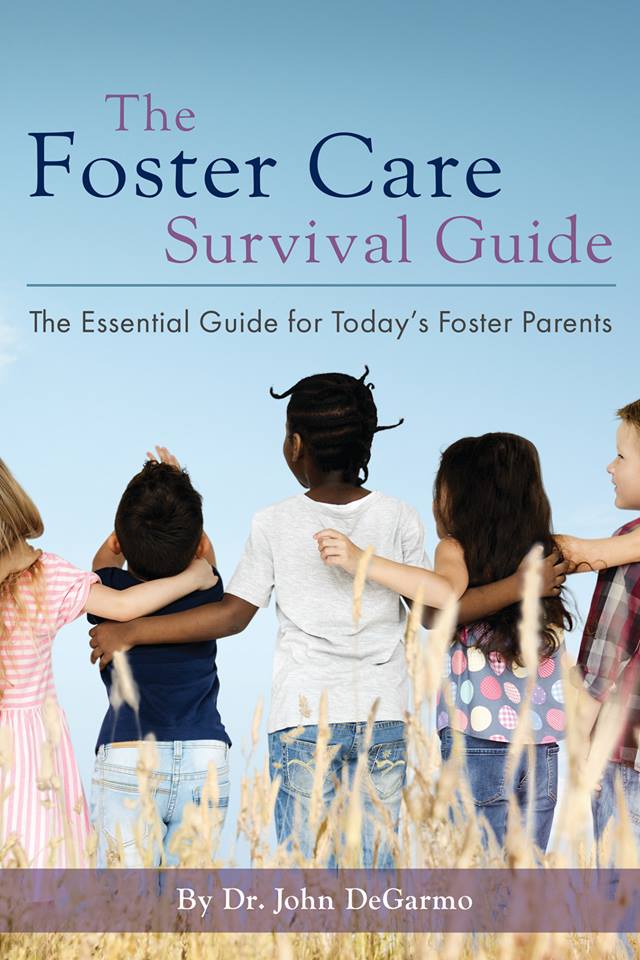
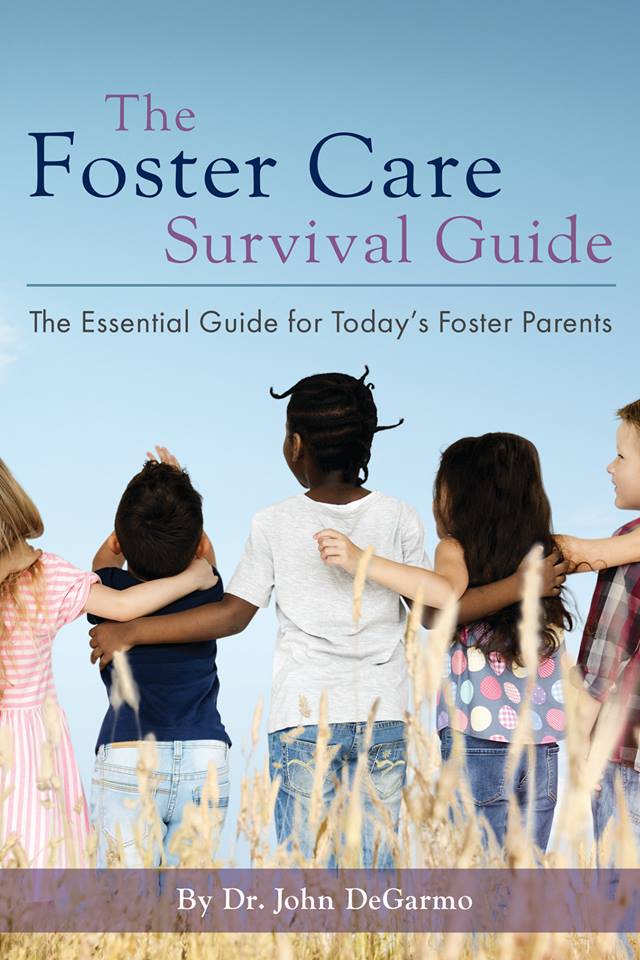
For more, purchase your own personally signed copy of The Foster Care Survival Guide: The Essential Guide for Today's Foster Parents.


    Sign up for the FREE Foster Care Institute Newsletter

Submit
​
Picture

34 Comments

A Pandemic of Mental Health for Children in Foster Care

8/18/2023

73 Comments

 
Picture
I recall it vividly.

I was asked by a CNN reporter in April of 2020 how the closing of schools across the nation due to Covid would affect children and youth in foster care.

My response was that I was far more concerned about the mental health risks for children in crisis than I was of any virus.

Sadly, we are seeing this happening.

The real pandemic, now, is that of mental health for our children.

In truth, so many of our children and youth are suffering from a mental health crisis.
According to a study by the Center for Disease Control (CDC) on mental health issues of
teenagers during Covid, more than a third of teens experienced poor mental health during the pandemic. Along with this, just under half, or 44 percent, of teens said they felt persistently sad or hopeless during the same time period. In addition, more than a third of high school students— including nearly two-thirds of Asian students and more than half of Black students —reported experiencing racism before or during the pandemic. Youth and teens who reported that they had been treated badly or unfairly in school because of their race or ethnicity were also less likely to feel connected to people at school, as well as having a greater risk of issues related to poor mental health.

There has also been an increase in teen suicide attempts. According to a study by the
Centers for Disease Control and Prevention (CDC). Girls between the ages of 12 to 17 were
found to have tried to attempt suicide increased by roughly 51% in early 2021 than the same time frame in 2019. In addition, boys in the same age group had a 4% increase of suicide attempts, as well. Children in foster care are also at risk of suicide. To be sure, these are all issues that children in foster care face and struggle with on a daily basis. According to one study, adolescents who had been in foster care were nearly two and a half times more likely to seriously consider suicide than other youth. The same study also found that adolescents who had been in foster care were nearly four times more likely to have attempted suicide than other youth.


Join the thousands who receive Dr. DeGarmo’s FREE foster care newsletter. Simply fill out the form below

One study found that the physical abuse of school-aged children tripled in 2020. As
schools were closed across the nation, and children remained at home, the rate of child abuse rose significantly between the months of March to September of 2020. The study focused upon data gathered from more than 39,000 children treated at nine pediatric trauma centers, and found that 2,064 were victims of suspected child abuse. The study also found that the number of child abuse victims tripled for children 5 years of age and older.

In addition, studies show that up to five million children in the United States experience
and/or witness domestic violence each year. Whether it’s watching an act of physical or sexual abuse, listening to threats or sounds of violence, or viewing the evidence of such abuse in a victim in the signs of bleeding, bruises, torn clothing, or broken items, the effects are damaging to a child, in a variety of ways. Parents dealing with their own anxieties and struggles are sometimes not able to adequately care for their children. A study in Pennsylvania found that deaths and near-deaths of children as a result of abuse rose, as well, In 2019, 51 children died and 93 children nearly died as the result of child abuse. In 2020, 73 children died and 115 children nearly died as a result of child abuse. Together the two indicators rose 31 percent.

The statistics are grim. The dangers are real.

Children need our help, perhaps more than ever.

As foster parents, carers, and advocates, we need to recognize the signs of mental health, and take the steps the children need in order to treat these children, help them heal, and bring families the support they so desperately need in this time of confusion.  If we do not, then we risk not only losing this generation, but their children and future generations, as well.


​-Dr. John
For more, purchase your own personally signed copy of The Foster Care Survival Guide: The Essential Guide for Today's Foster Parents.

    Sign up for the FREE Foster Care Institute Newsletter

Submit
​
Picture

73 Comments

The Truth (and Stages) about Grief and Loss for Foster Parents

7/9/2023

13 Comments

 
Picture
Foster parenting can be a journey of emotions.  One of the many emotions that foster parents often experience is that of grief.  Indeed, as a foster parent to over 60 children myself, I have experienced feelings of grief and loss so many, many times.

Grief can be expressed in variety of ways, depending upon the individual, as it is personal. Some will shed tears and cry while others will hold it inside. Some will busy themselves in a task, while other will seem detached and far away. The departure of your foster child from your home can be one that is devastating to you and your family. A brief look at the stages of grief, based upon
Kubler-Ross' well known stages of grief established in 1969, and discussed in the book The Foster Care Survival Guide, is important in order to fully understand the feelings that may come along with the removal of your foster child from your family. These same feelings may be felt by your foster child when he is removed from his own home, and first placed in yours.

Shock
The removal of the foster child may bring feelings of shock to the foster family. After a family member has formed an emotional attachment to the family, the sudden removal may cause deep shock and uncertainty, leaving the foster family confused.

Denial
With a sudden departure, some foster parents may deny that they ever formed a relationship with their foster child, or feel any sadness towards the removal. Even though they deny these feelings, they grieve believing that they were unable to provide the help the child needed.

Anger
A foster child’s removal from a foster parent home may bring feelings of anger and severe disappointment with the caseworker, as well as with the child welfare agency system. Foster parents may blame the system or caseworker for the placement of their foster child into an environment they feel is not productive, or even harmful to the child.

Join the thousands who receive Dr. DeGarmo’s FREE foster care newsletter. Simply fill out the form below.

Guilt
During this stage, foster parents may experience feelings of guilt, blaming themselves with the belief that they are at fault, and try to comprehend what they did “wrong” in the removal of the foster child. Still, other foster parents may experience guilt if they were the ones asking for the removal, as they were unable to continue caring for the child.

Bargaining
Some foster parents will try to substitute the grief they have with helping others in need, in an attempt to justify the loss of their foster child. Other will try to substitute the loss with the placement of another foster child in their home, hoping that this new placement will help them forget about the child that just left.

Depression
There are different components to depression brought on by grief. Some foster parents will become easily irritated; others will experience a constant state of feeling tired. Others will feel as if they can no longer continue with their day to day lives, and have a difficult time with the tasks associated with family, friends, work, and marriage.

Acceptance
After the passage of time, the grief from the loss of the foster child decreases, allowing the foster parent to accept the removal of the child, and move on. The emotional well being of the foster parent improves, and a sense of understanding of the child’s removal becomes clearer.

To be sure, it is hard being a foster parent. The grief when a child leaves can, at times, be over whelming and consuming. It is like losing a child, a member of your family. Yet, I don’t want you to give up when a child leaves, because your heart is heavy. There are other children out there, right now, who need a home and need a family. There is a child out there right now who needs you to love him.

-Dr. John
For more, purchase your own personally signed copy of The Foster Care Survival Guide: The Essential Guide for Today's Foster Parents.

    Sign up for FREE Foster Care Institute Newsletter

Submit
Picture
13 Comments

The SUPPORT that Foster Parents Need!

6/18/2023

14 Comments

 
Picture
You probably have a support group of some kind; people that you surround yourself with in order to find support and strength from. People who help you in times of need, and lift you up when you are struggling. People who understand you, or “get you”, and people who make you laugh and feel better, even in the most difficult of times. People you can count on to be there for you, isn’t that right? Your support group might be members of your family, your friends, people at work, or perhaps fellow church members.

As a foster parent, you will also need a support group. To be sure, your friends and family members can and hopefully will offer you support as a foster parent, and will be there to help out in times of struggle. Yet, you will find that you will need another group of people to surround yourself with. For you see, your own friends and family members may at some point question whether or not you should be a foster parent, whether out of concern for your well-being, confusion about what you are doing, or maybe even from their own guilt they might feel because they may feel that they are not doing enough, themselves. These questions from your friends and family members are normal towards foster parents. I have heard them time and time again from dear friends and from my own family. You might also have found, or will soon find, that you are not invited to all the parties, gatherings, and events that you once used to be invited to. You may find that your friends are now doing things with others, and that there is a distance growing between you and others. Some may feel that the children you are caring for are “too rowdy”, and you are no longer wanted in their homes. Soon, you may find yourself lonely, isolated, and with no one to talk to. As I note in the book The Foster Care Survival Guide: The Essential Guide for Today's Foster Parents, no one will truly understand you and what you do like another who has walked in your shoes and lived your life style; another foster parent.

Perhaps the best thing a case worker ever helped me with was setting up a foster parent association, or support group, in the small town I lived in. When my wife and I became licensed, so many years ago it seems, we did so with four other families in our rural town. At that time, there was no foster parent support group. Though I did not see the importance at that time, my caseworker did, and she helped all of us new foster parents organize a support group, one that met monthly. I can tell you, without hesitation, it has saved my sanity on more than one occasion. I just love my foster parent support group, and truly enjoy going to each meeting, once a month.

Join the thousands who receive Dr. DeGarmo’s FREE foster care newsletter. Simply fill out the form below.

A foster parent association or support group gives you the opportunity to find the support system you need and deserve, and to develop relationships and friendships with other foster parents, just like you. These relationships and new friendships are great opportunities for you to validate that your own experiences and emotions you feel while caring for children from foster care in your home. You will also have the opportunity to share with your fellow foster parents some of the challenges, frustrations, and difficulties that you feel and experience, without being judged by those who don’t understand you or understand the challenges that children in foster care face. You can laugh along with them at some of the craziness that comes with being a foster parent, vent your frustrations to those who understand, and cry in front of a group of people who truly appreciate what you are going through. You will find the support and encouragement that you need when you face the very unique challenges and difficulties that go along with being a foster parent.

Along with this, a strong foster parent association will allow you the opportunity to learn from others, as you listen to their stories and experiences. Indeed, I have learned more from my fellow foster parents, as I listen to what they went through and how they handled it. Another great benefit from being in a foster parent support group is that you will be able to share ideas and resources with each other.  No only are there local foster parents, there are also national ones, like the National Foster Parent Association, an association that does great work, not only for foster parents across the nation, but also in helping to improve the foster care system, overall.

If you are not aware of a foster parent association or support group in your area, contact your foster care agency or local child welfare agency and ask them if there is such a group that you could join in your area. If for some reason there is not a support group in your area ask your agency if there is one nearby, or go ahead and get online and do a search for one near where you live. If you find one, send them a message and ask if you could join and attend meetings. The answer will probably be “yes.” Of course, you can meet great foster parents at state and national foster parent conferences, and you might even see me at one of these, as well. Speaking of national foster parent conferences, there are also some fantastic national foster parent groups, as well, that you can join. Oh, and don’t forget the many foster parent support groups on social media, too. All of these are opportunities for you to find the support, encouragement, and wisdom you need from those just like you, your fellow foster parent.

-Dr. John
For more, purchase your own personally signed copy of The Foster Care Survival Guide: The Essential Guide for Today's Foster Parents.

    Sign up for the FREE foster care newsletter

Submit
Picture
14 Comments

10 Reasons Why I am Thankful as a Foster Parent

5/12/2023

133 Comments

 
Picture
​It seems that as I grow older, I become more and more appreciative and more grateful for all the blessings in my life. I imagine that is simply a progression of age, and simply shows that I am getting older.   

It has long been a tradition in our home each evening,  as we sit down at the table, for each of us to state what we have been thankful for during the day.  From the youngest to the oldest, it is always interesting to hear what others might say. Sometimes, it can be sad, while other times, it can be amusing. Most often, it is inspiring.  As you can imagine, our house if quite full with children, and with visitors, from across the globe, when my Australian born wife’s side of the family comes for a visit.
With that in mind, I wanted to share with you why I am grateful, in no particular order mind you, for being a foster parent.

1)  I am thankful for the love in my home.   When a child is placed into my home, they become family the very first day.  To be sure, each placement is different, and there are those placements that are more difficult than others.  Yet, my home is one that has been filled with more love than I could ever have imagined.  And now, I have a "grandchild"originating from foster care, as I am now a grandfather to a child who used to live with us.  How blessed am I!

2) The laughter is often contagious.  Watching a child smile or even laugh for the first time after a life of abuse and neglect is heartwarming.  I have had the privilege of watching a child who had suffered unimaginable abuse learn how to play and learn how to laugh while playing with the other children in my home.  That laughter is often healing for all involved.

3)  A community rallies together.  Without a doubt, I could never be a foster parent without the support of others.  As I have written countless times, not everyone can be a foster parent. Yet, everyone can help in some way.  It has been a joy to watch the small community I live in come together to help our children in foster care.

4) Helping birth parents heal.  As a foster parent, I sometimes need to remember that my children from foster child’s biological parents are people in need, and they deserve my kindness and sympathy, not my anger. By working with them, and by showing them kindness and compassion, I can not only help them, I can show their children an important lesson in love and humanity, and help them in their own walk towards healing.

5) There is never a dull day.  I often joke with my fellow foster parents that I go to work to rest, as the needs and responsibilities of so many children in need can, at times, be a little exhausting. Yet, there has never been a dull moment or a boring day in my home.  Quite the opposite, as each day is an adventure and holds new surprises.  Some days, I just have to look at the mayhem around me and smile.

Join the thousands who receive Dr. DeGarmo’s FREE foster care newsletter. Simply fill out the form below.

6) A lesson in service. 20 years of foster parenting with 60 plus children coming through my home and each being an important part of my family.  My oldest child is 25 years of age. You can quickly see that being a foster family is the norm for my own children.  I am grateful that I have had the opportunity to teach my own children that we are here to help others, to serve others, and to put others before ourselves.

7) Forever Family.  Three of the children that were placed into my home from foster care have become forever family members of ours through the gift of adoption.  Without a doubt, adoption has made my family stronger.

8) Learning never stops. I love to learn new things, as I am a curious person, in general.  As a foster parent, I find that I am constantly learning something new, on a daily basis.  To be sure, this constant learning process continues to grow me as a parent, and as a person.

9) My own heart is full.  Through the tears of grief and sorrow and the joys and laughter, I have found that my own heart is rather like the Grinch’s.  Remember in the classic 1966 Christmas cartoon How the Grinch Stole Christmas, when his heart grew so large it burst out of the x-ray device?  That is how my own heart is.  I have experienced so many diverse and intense emotions through the years that my heart is flowing over with love for all.

10) The rewards are unending.  Yes, foster parenting has been the most difficult “job” I have ever done, and the hardest thing I do. Yet, it is by far the most rewarding thing I have ever done, as well. Without a doubt, I am a far better person for each experience, and a far richer person for each child that has come to be a part of my life.

-Dr.John
Read Dr. John's inspirational best selling memoir Fostering Love: One Foster Parent's Journey.  Get your signed copy HERE.
​


    Sign up for FREE Foster Care Newsletter

Submit
Picture
133 Comments

Your Rights as a Foster Parent

3/7/2023

11 Comments

 
Picture
As a foster parent, you do have rights — rights that can make your role as a foster parent a little easier. Before we examine what those might be, it is important to recognize just what rights are. According to the Stanford Encyclopedia of Philosophy, rights are defined as the “entitlements (not) to perform certain actions, or (not) to be in certain states; or entitlements that others (not) perform certain actions or (not) be in certain states. Rights dominate modern understandings of what actions are permissible and which institutions are just.” Foster parents can act in loco parentis, or “in the place of a parent,” and have legal responsibility over a child in regard to taking on some of the functions and duties of a parent.

​The line between what foster parents can and cannot do can be cloudy or confusing at times. Several states have a Foster Parent Bill of Rights, and there are similarities across some of these. Most states do not have a bill of rights. Nevertheless, it is important and even essential that foster parents understand the rights they have, as it will better empower and prepare them to not only care for the children in their home and be an advocate for them, but also to protect themselves as a caregiver.


To begin with, there are universal rights that every foster parent has. Perhaps the first one is to be treated with dignity and respect as an important member of the professional welfare team for the child placed in your home. Foster parents also have the universal right to access proper training before becoming licensed foster parents, as well as access ongoing training. Along with this, foster parents also have the right to ongoing support from their agency during their foster parenting term. When a decision is made that affects the placement of a child in a home, foster parents also have the universal right of being informed in this regard. Foster parents also have the right to refuse to accept a certain child into their home without any form of reprisal  for their decision.


Join the thousands who receive Dr. DeGarmo’s FREE foster care newsletter. Simply fill out the form below.


Financial reimbursement and per diem payment in a timely and adequate fashion is also a right of a foster parent, in accordance with the state and agency’s policies. When it comes to visitations between the child, his biological parents and members of his birth family, foster parents have the right to assist in planning these visitations.  In addition, foster parents have the right to communicate with caseworkers, doctors, teachers, counselors, therapists and other professionals who are working with the child in some capacity. In regard to adoption, foster parents do have a right to priority consideration if and when a child in their home might be available for adoption.

The right does exist for foster parents to have full disclosure when a child joins their family. This full disclosure allows foster families to receive all information necessary in order to provide the appropriate care and supervision of the child within the home and family.
One right that can benefit others is the right of establishing a positive and healthy relationship, when possible, with the child’s birth parents and biological family members. There is also the right for foster parents to request help, resources and support when needed. Along with this, foster parents have the right to join a support group or association.


Become a Special Member of The Foster Care Institute-Amazing Benefits!

Foster parents have the right to document all activity and behavior of the child in their home. In truth, documentation helps protect the foster family. In addition to this, foster parents also have the right to document the actions of anyone who is involved with the child while in the home. Throughout a child’s time with a foster parent’s family, the foster parent may want to create written records, a journal or some sort of documentation. This will help them keep an accurate account of the child's experience in their home. It is important that the foster parent’s writing is done in a manner that is observational, descriptive, non-biased and does not include opinions. If the foster parent wishes to document their own opinions and feelings, they might wish to start a personal journal.

Relative to biological parents, foster parents are more than twice as likely to be the subject of a child maltreatment investigation. Though most allegations of abuse and neglect by foster parents are found to be untrue or unsubstantiated, these allegations are made nonetheless. These false accusations may stem from a variety of reasons. Foster children who have come from environments of abuse and neglect may not recognize that their new home and environment is a safe and stable one. The abuse and neglect they felt may be all that they know, and they may simply make an allegation unknowingly or unwillingly due to past experiences. Other foster children, coming from the same type of environment, may make an allegation against a foster parent in the hope of leaving that home and returning to their biological family, or make an allegation as an attempt at distancing themselves emotionally from a foster parent, setting up an emotional barrier or wall between themselves and foster families. Some may make an accusation in an attempt at gaining revenge on either the foster family or the biological family.

When an allegation or accusation is made, foster parents have the right to a fair and timely investigation and adjudication process of the accusation against them. In addition, foster parents have the right to be heard in court. Along with this, foster parents also have the right to a forum to lodge their own complaints, if they so wish.


Yes, foster parenting is hard work. It may just be the hardest work you ever do. You will often find yourself mentally and physically exhausted, feeling drained. There is very little money available to help you, and you will not be reimbursed for all the money you spend on the child. You will probably feel overworked. Yet, the rewards of being a foster parent can be endless, with joys each day. When you are aware of the rights you have as a foster parent, it may help to make this lifestyle perhaps just a little less stressful.


   -Dr. John

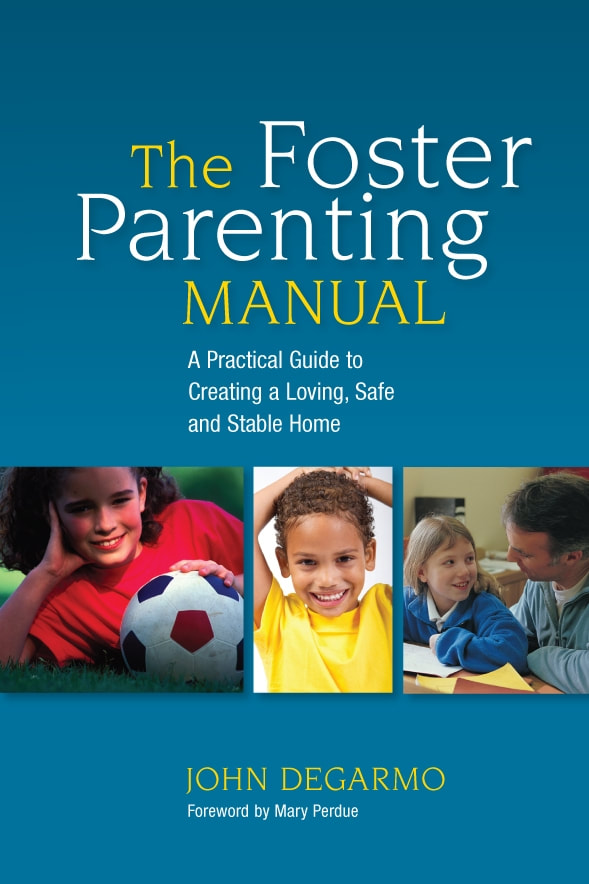
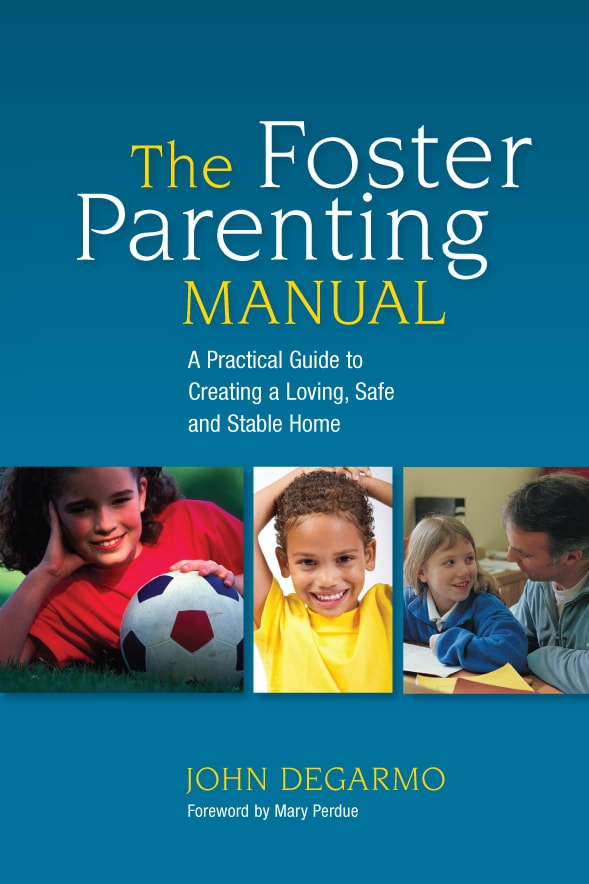
 Want to learn MORE? Order your signed copy of the best selling book The Foster Parenting Manual: A Practical Guide to Creating a Loving, Safe, and Stable Home.  Order your special copy HERE.


    Sign up for FREE foster care newsletter

Submit
Picture
11 Comments

Parenting Children with Fetal Alcohol Spectrum Disorder (FASD)

1/9/2023

17 Comments

 
Picture
I have had so many babies, infants, and children come join my family who have suffered from Fetal Alcohol Spectrum Disorders, otherwise known as FASD.  In fact, some have joined my family permanently, through adoption. I am sure you have probably come across children with FASD at some point in your life, as well.

            Fetal Alcohol Spectrum Disorders are a collection of conditions resulting from a woman consuming alcohol while pregnant. The alcohol consumed by mother passes through her through the umbilical cord, and thus into the baby in the mother’s womb.  It is as if the baby itself is drinking alcohol.  FASD effects can include a number of challenges, both physically, and with behavior and learning.  In truth, children born with FASD often have a combination of both.

There are a variety of symptoms in regards to Fetal Alcohol Spectrum Disorders.  They include a shorter than average height, low body weight, and smaller head size.  Babies often have abnormal facial features, including a smooth ridge between the upper lip and the nose.  Children with FASD also have great difficult in school, most often with reading and math, due to poor memory ability, learning disabilities, speech and language delays, simple difficulty with attention.  Additional symptoms include poor powers of judgement and reasoning, problems with hearing and vision, and even heart and kidney complications, as well.

Join the thousands who receive Dr. DeGarmo’s FREE foster care newsletter. Simply fill out the form below.
 
            There are four main types of Fetal Alcohol Spectrum Disorders. Perhaps the one most people are familiar with is Fetal Alcohol Syndrome, or FAS.  Children with FAS often have complications with growth and facial feature abnormalities.  They also have troubles, difficult with attention span, communication, learning, and memory, and more than likely will struggle in school in some fashion.  Another form of FASD is Alcohol-Related Birth Defects, or ARBD.  Those born with ARBD have health related issues with hearing, heart, kidney, or even with bone.  Children diagnosed with Alcohol-Related Neurodevelopmental Disorder, or ARND, have learning and intellectual disabilities, and struggle in school. Finally, Neurobehavioral Disorder Associated with Prenatal Alcohol Exposure, or ND-PAE, is a disorder where children struggle with behavior problems, mood swings, and attention, as well as have trouble with basic living skills.  Children diagnosed with ND-PAE also have thinking and memory difficulties, too.

            Tragically, Fetal Alcohol Spectrum Disorder is a condition that the child in your home will not grow out of once he reaches adulthood. Indeed, FASD is a lifelong condition.  Fortunately, there are a number of ways FASD can be successfully treated.  Early diagnosis is vital and essential in order to best help and treat one who suffers from FASD.  There are several types of medication and medical care for those with FASD.  Additionally, you as a foster parent can help the child in your home who suffers from FASD by seeking out special educational programs that are designed to meet the needs of the child.  As we have read, children with FASD struggle with a combination of learning challenges.  He needs you to help him survive and succeed in school with these special educational programs. Do some research on your own, or reach out to your school system or local social service programs. Finally, a consistent, loving, nurturing and stable house and family will truly help the child.

-Dr. John

 Want to learn MORE? Order your signed copy of the popular book The Foster Care Survival Guide: The Essential Guide for Todays Foster Parents.   Order your special copy HERE.
​

    Sign up for the FREE Foster Care Newsletter!

Submit
Picture
17 Comments

Foster Care-Reformed, and Always Reforming.

12/5/2022

13 Comments

 
Picture
I heard that phrase the other day.  To be sure, it was a phrase that I took some time to reflect upon recently, in so many areas of my life.  As a parent, as a husband, as a member of the community, and in foster care.

Yes, foster care needs reform.

It always has, and it always will. As the world continues to change, foster care will need to change with it.

I often tell foster parents that I work with that there are 50 different states in the United States, and each state does foster care a little bit differently.  Each state has its own specific policies and procedures, rules and regulations. This means 50 different ways of doing foster care.  In addition, each agency within each state may also have its own individual agency policies and procedures. As a result, there are so many different ways of doing foster care in the United States, and no one agency or no one state does it perfectly.  To be sure, some states and some agencies do it better than others, yet each can be improved in some fashion.

Perhaps this is one of the reasons that celebrity actress and foster/adoptive mother Jen Lilley were in Washington D.C., in the midst of Covid, meeting with legislators on both sides of the political aisle, in an attempt to bring reform to foster care. In truth, reform needs to happen in many areas in foster care.

In regards to rules and policies, the past two years saw many of the rules "go out the window", so to speak in regards to all things foster care.  Covid has changed the rules in so many areas of our lives, and in society.  So many of these changes were ones we may never have expected, never have anticipated 10 years ago, 5 years ago, or even 1 year ago. Changes no one of foresaw, or even imagined.

During this time, I  heard over and over again from foster parents across the nation that they are in desperate need of help.  Foster parents are often saying to me, “I have to take care of my own job.  Yet, I now have to also be the teacher to the child placed in my home, and I’m not a teacher.  I also have to be their professional therapist, and I’m not trained in this area.  What do I do?” For so many children in foster care, they are not getting their professional counseling sessions, they’re not getting their drug counseling, they’re not getting visitations with their own birth parents in a face to face meetings, meetings that are detrimental not only to the reunification process, but to that of issues of attachment, trust, the family unit, and sometimes of mental health.

Join the thousands who receive Dr. DeGarmo’s FREE foster care newsletter. Simply fill out the form below.

The anxiety levels of so many children in care right now is off the charts, for so many reasons since Covid, and foster parents are struggling with that.  Indeed, the anxieties from their own personal trauma may be so severe to the child that it feels as if their entire world is falling apart. Covid  only exasperated this, and triggered deeper issues of anxiety, as well. Issues from anxiety can manifest themselves in a number of ways. Professional therapy and counseling is essential for the well-being of the child.

Foster parents feel like they are not getting support right now. Foster parents also feel like they are not getting the resources right now, either. And right now, caseworkers are scrambling to try to figure out how to get the foster parents the support that they need. There is the growing concern that we are going to see foster parents quit because they are so filled with anxiety they are facing and feeling.

Foster families always rely on community support, but they need it more than ever now. Foster parents need a number of training hours and CEUs each year, in order to remain licensed as a foster care home, with each state setting the number of hours required each year. During the past few years with Covid, foster parents have found it increasingly difficult in regards to attaining their required training hours. Foster parents also need more online support services, including online orientations, social media support groups, and more virtual training opportunities.

Today’s caseworkers feel overworked, overwhelmed, under-resourced, and they certainly are underpaid. Like so many others, caseworkers are now working from home, and are unable to visit their foster parents, and many times not be able to provide the assistance and resources they need, including face to face interactions that may be necessary on occasion. Agencies need to ensure that their caseworkers are safe and not at risk. In addition, our caseworkers need to be given more time, more funding, more resources, and more understanding from the public, from the courts, and from foster parents..

As the challenges the past two years have led to many agencies being understaffed, there have been delays in new foster parents being trained and licensed, birth parents have met difficulties in attaining the requirements for reunification, and the adoption process for those children who are unable to be reunified has slowed, as well. In the end, many times these policies and regulations foster families, case workers, and children in care from living as “normal” a lifestyle, leading to frustration on many levels. There needs to be less paperwork, less “red tape” and more action on behalf of the child.
​

Reformed and always reforming.  Let us all embrace this philosophy as a wonderful challenge to make the foster care system a better one for all, now and in the future.

   -Dr. John

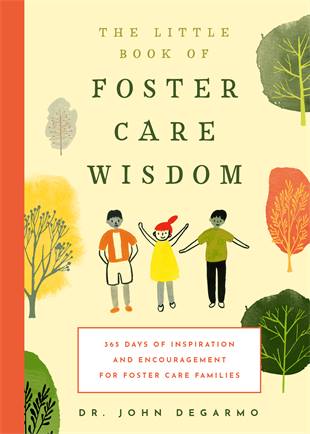
 Want MORE? Order your signed copy of the popular book The Little Book of Foster Care Wisdom: 365 Days of Inspiration and Encouragement for Foster Care Families​​. Order your special copy HERE.


    ​Sign up for FREE Foster Care Newsletter

Submit
Picture
13 Comments

Why Christmas and the Holidays are Difficult for Children in Foster Care....and how YOU can Help.

11/28/2022

58 Comments

 
Picture
  You know the familiar phrase. ’Tis the season to be jolly.   Not for the roughly half a million children in foster care in the United States.   It is often a time of great sadness and despair., a time of loneliness and of rejection.  For these children, it is a reminder of so much anxiety and trauma in their young lives.  Many foster children are faced with the realization that they will not be “home for the holidays,” so to speak, with their biological family members.   It is a reminder that they are separated from their parents and family.

        I have a question for you.  Do you remember waking up as a child on Christmas morning?   If you were like me, you couldn’t wait to get your parents up, and dash into the room where your Christmas tree was.   Wrapping paper flying, screams of joy and surprise, great food, family surrounding you; it was truly a magical day. I imagine you have fond memories of it.  I also imagine that you probably carry on some of the traditions you grew up with, and share them with your own children, or even your grandchildren.  For most of us, Christmas is a time of family, a time of joy, and a reminder of God’s love for each of us. It is also a time where we hope and pray for peace on Earth, good will to all men.

         For children in foster care, though, it is a very different experience.  When they wake up Christmas morning, and are surrounded by people who just may be strangers to them, strangers who are laughing and having fun, it can be a very difficult time for them, indeed.  To be sure, it is a day that is a stark reminder to these children that they are not with their own family.  It is during the holidays when families are supposed to be together, yet these children in care are not.  They are not with their families, and they may not know when they will see them next. 


Join the thousands who receive Dr. DeGarmo’s FREE foster care newsletter. Simply fill out the form below.


            More than likely, a  child placed in foster care will have feelings of sadness and grief, as he is separated from his own family during this time of family celebration.   After all, he is separated from his family during a time that is supposed to be centered AROUND family.  Quite simply, they want to go home, to live with their family members, despite the abuse and trauma they may have suffered from them, and despite all that you can and do offer and provide for him.  Therefore, this time of holiday joy is especially difficult. 

        I witnessed something like this recently. We had a child in our home, Andrew, who had come from a house of horrors, along with his two other siblings. His mother was a meth addict, his father was never in the picture, and his house had no electricity, no food, no water, no plumbing, no heat, nor no air Andrew was often full of rage, and was openly defiant at times, while at other times was considerate and well mannered.
 
        Four months after his arrival into our home, Christmas rolled over on the calendar. As we do for everybody in our house, we celebrated this Christmas in a large way. First, my wife and I woke all of the children in our home singing “Merry Christmas”. I was a little surprised when his older brother and sister told me that they didn’t know the words to a classic and familiar Christmas song. Later that morning, when a present with his name was placed in front of him, wrapped in colorful and festive wrapping paper, our foster son simply stared down at it, then to us, and then back to the present. “What is it?” he asked. With smiles on their faces, and laughter in their voices, our own children then encouraged him to open it up. Looking down at it with a confused look, Andrew simply said, “I don’t know how.”

 Become a Special Member of The Foster Care Institute-Amazing Benefits!


        He didn’t know how. An eleven year old boy did not know how to open a present. Can you imagine? He had never had a present to open before. Not on Christmas, not on his birthday, not on a holiday. No one to tell him how special he was on the day he was born, and how much he mattered on the day that was supposed to be celebrated in his honor.

        So, how can you help this difficult time be more joyous? To begin with, foster parents can best help their foster child by spending some time and talking about the holiday. Let the child know how your family celebrates the holiday, what traditions your family celebrate, and include the child in it. Ask your child from foster care about some of the traditions that his family had, and try to include some of them into your own home during the holiday. This will help him not only feel more comfortable in your own home during this time, but also remind him that he is important, and that his birth family is important, as well. It is important to keep in mind that many foster children may come from a home where they did not celebrate a particular season, nor have any traditions in their own home. What might be common in your own home may be completely new and even strange to your foster child. This often includes religious meanings for the holiday you celebrate. Again, take time to discuss the meaning about your beliefs to your foster child beforehand.

        You can help him by allowing him to talk about his feelings during the holidays. Ask him how he is doing, and recognize that he may not be happy, nor enjoy this special time. Look for signs of depression, sadness, and other emotions related to these. Allow him space to privately grieve, if he needs to, and be prepared if he reverts back to some behavior difficulties he had when he first arrived into your home. After all, he is trying to cope with not being with his own family during this time when families get together. These feelings and these actions are normal, and should be expected. You can also help your foster child by sending some cards and/or small gifts and presents to their own parents and birth family members. A card or small gift to his family members can provide hope and healing for both child and parent, and help spread some of the holiday cheer that is supposed to be shared with all.

        This IS the season of giving, and we are all called to give unto others. With a little preparation beforehand from you, this season of joy can be a wonderful time for your child from foster care, one that may last in his memory for a life time, as well as in your memory, too.  After all, the gift of love is one that can be shared, not only during the holidays, but all year long, with the child, with the family, and with all we meet.  May you experience this joy and may you share it with other
   -Dr. John

 Want MORE? Order your signed copy of the popular book The Little Book of Foster Care Wisdom: 365 Days of Inspiration and Encouragement for Foster Care Families​​. Order your special copy HERE.

    Sign up for FREE Foster Care Newsletter

Submit
Picture


​


58 Comments
<<Previous
Forward>>
    Picture
    Picture
    AUTHOR
    Dr. John DeGarmo is the founder and director of The Foster Care Institute, and is recognized as a leading expert in foster care. Dr. John is an TEDX Talk speaker, international trainer and speaker, consultant, author, and most importantly, a father.  He has been a foster parent  with over 60 children who have come to live in his home from adoption and foster care. He is the author of many books, including the  book  
    The Foster Care Survival Guide: The Essential Book for Today's Foster Parents.

    Picture
    Order your signed copy of the new book:
    The Little Book of Foster Care Wisdom: 365 Days of Inspiration and Encouragement for Foster Care Families
    Dr.John's TEDx Talk on Foster Care.
    Get unlimited access to over 65 hours of Training Webinars, Certificates, CEUs 15 FREE eBooks, and more.  Get your licensing foster care training hours at home, at work, at lunch, on vacation....anytime you want.    It's easy!   
    Join​ HERE!

    Archives

    September 2025
    July 2025
    June 2025
    March 2025
    February 2025
    September 2024
    August 2024
    July 2024
    April 2024
    February 2024
    November 2023
    August 2023
    July 2023
    June 2023
    May 2023
    March 2023
    January 2023
    December 2022
    November 2022
    September 2022
    August 2022
    July 2022
    June 2022
    May 2022
    April 2022
    March 2022
    February 2022
    January 2022
    November 2021
    October 2021
    August 2021
    July 2021
    February 2021
    January 2021
    December 2020
    November 2020
    October 2020
    June 2020
    May 2020
    March 2020
    February 2020
    January 2020
    December 2019
    November 2019
    October 2019
    September 2019
    August 2019
    June 2019
    April 2019
    March 2019
    February 2019
    January 2019
    December 2018
    November 2018
    October 2018
    August 2018
    July 2018
    June 2018
    May 2018
    April 2018
    March 2018
    January 2018
    December 2017
    November 2017
    October 2017
    September 2017
    August 2017
    July 2017
    June 2017
    May 2017
    April 2017
    March 2017
    February 2017
    January 2017
    December 2016
    November 2016
    October 2016
    September 2016
    August 2016
    July 2016
    June 2016
    May 2016
    April 2016
    March 2016
    February 2016
    January 2016
    December 2015
    November 2015
    October 2015
    September 2015
    August 2015
    July 2015
    June 2015
    May 2015
    April 2015
    March 2015
    February 2015
    January 2015
    December 2014
    November 2014
    October 2014
    September 2014
    August 2014
    July 2014
    June 2014
    May 2014
    April 2014
    March 2014
    February 2014
    January 2014
    December 2013
    November 2013
    October 2013
    September 2013
    August 2013

    Categories

    All
    Phone Number

    RSS Feed

Home       About   Media   Blog       Training/Webinars      Foster Parent Recruitment/Retention Consultant       Contact       Articles     Foster Parent Coach       Store         Radio Show/Video Series      How to be a Foster Parent    How To Be A Paid Speaker   Testimonials